SimPL Insights
Minimize risk and manage cargo claims effectively with this practical guide. Learn how SimPL Freight Solutions helps protect your freight and recovery rights.
Cargo Claims: How to Protect Your Freight and Your Bottom Line
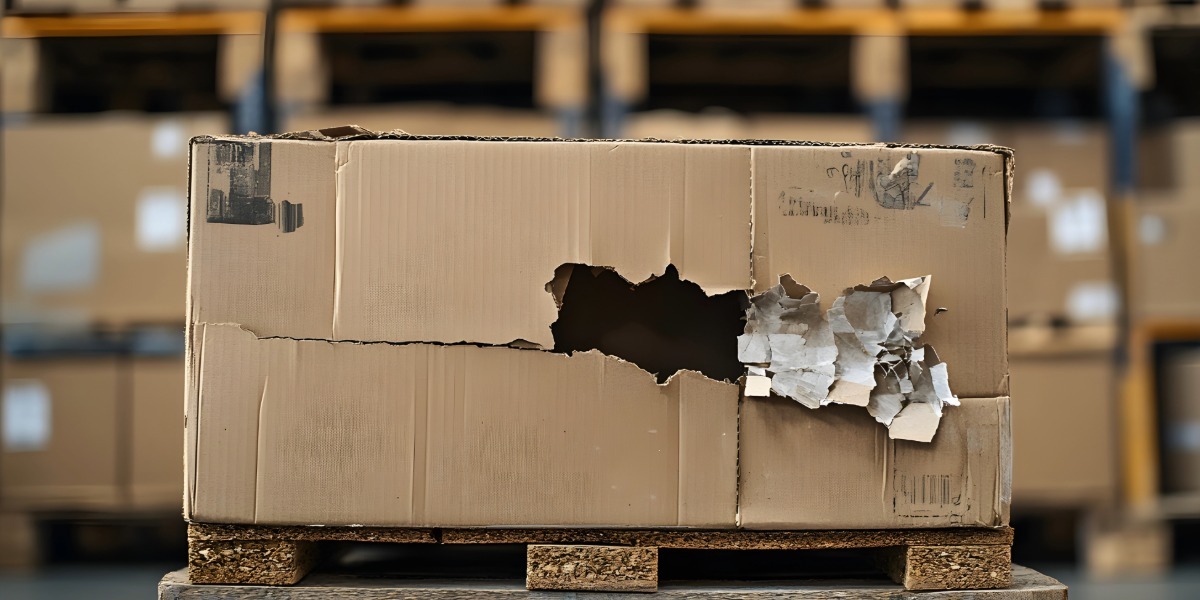
Imagine this: You’ve just shipped a crucial order to a key customer. The timeline is tight, the product is top-tier, and expectations are high. Then, the phone rings. The truck arrived, but the pallets are tipped, the shrink wrap is torn, and product is spilling onto the dock floor.
It’s a logistics manager's worst nightmare.
Cargo claims are an unfortunate reality of the transportation industry. Whether it's damage, shortage, delay, spoilage, or contamination, these incidents disrupt supply chains and strain relationships. However, while accidents are sometimes unavoidable, the headache of the claims process doesn't have to be.
If not handled correctly, claims can become costly, time-consuming battles. For shippers and receivers, establishing strong best practices is essential to preserving recovery rights and reducing disputes.
Here is your practical guide to minimizing risk and managing cargo claims effectively.
1. Understand the Legal Landscape
Before you can effectively fight a claim, you need to understand the rules of the game. Most domestic full truckload shipments in the United States are governed by the Carmack Amendment. This federal law establishes carrier liability for loss or damage to cargo during interstate transportation.
Under the Carmack Amendment, the burden of proof initially rests on the shipper. To establish a prima facie case, you must generally prove three things:
- The freight was tendered to the carrier in good condition.
- The freight was delivered in damaged condition (or was lost entirely).
- The specific dollar amount of the damages.
If you can prove these three elements, the burden shifts to the carrier to prove they aren't liable due to specific exceptions (like an Act of God or a public enemy).
Key Takeaway: Different rules apply to international, intermodal, and LTL shipments. Knowing which framework applies to your specific lane is critical before a claim ever arises.
2. Prevention Starts at Packaging
.png?width=230&height=409&name=Untitled%20(2).png) The best claim is the one you never have to file. A significant number of cargo claims can be avoided before the truck even leaves your dock. Carriers often use "insufficient packaging" as a defense to deny claims, so don't give them that opportunity.
The best claim is the one you never have to file. A significant number of cargo claims can be avoided before the truck even leaves your dock. Carriers often use "insufficient packaging" as a defense to deny claims, so don't give them that opportunity.
Shippers should ensure that:
- Packaging fits the journey: Use materials appropriate for the commodity, weight, and expected transit conditions.
- Structural integrity is verified: Pallets should be sound, without broken boards or protruding nails.
- Securement is tight: Shrink-wrap or band items properly to the pallet to prevent shifting.
- Labels are clear: The Bill of Lading (BOL) and the freight itself should have clear handling instructions.
Additionally, verify that the load is blocked and braced correctly inside the trailer. If the freight can move, it likely will.
3. Document Everything at the Origin
In the world of claims, if it isn't documented, it didn't happen. Clear documentation at the point of origin is your strongest weapon in proving the first element of the Carmack Amendment: that the freight was in good condition when it left your facility.
Adhere to these documentation best practices:
- Photograph the freight: Take clear photos of the condition, packaging, and load securement before the doors are closed.
- Accuracy is key: Ensure the Bill of Lading accurately reflects exactly what is being shipped.
- Avoid vague language: Do not let drivers simply write "shipper load and count" unless it actually applies.
- Note pre-existing issues: If there are any visible defects or exceptions at pickup, note them immediately.
4. The Critical Role of Delivery Inspections
The receiver is the gatekeeper of the claims process. Their actions at the moment of delivery can make or break a claim. A rushed receiving team that signs a delivery receipt without inspecting the cargo is effectively signing away your right to recovery.
Upon delivery, receivers must:
- Inspect immediately: Ideally, inspect the freight while the driver is still there, before signing any paperwork.
- Be specific: Avoid generic notes like "damaged." Instead, write detailed exceptions on the delivery receipt, such as "2 pallets crushed on passenger side" or "cases wet and leaking."
- Capture visual proof: Take photos and videos showing the damage in the context of the trailer. Capture the seal integrity if applicable.
- Retain evidence: Do not throw away packaging or damaged freight until you have been instructed to do so. The carrier has a right to inspect it.
5. You Must Mitigate Damages
There is a common misconception that once freight is damaged, it is total trash. However, all parties in a cargo claim have a legal duty to mitigate loss. This means you must take reasonable steps to reduce the financial impact of the damage.
Mitigation strategies include:
- Segregating product: Separate damaged goods from undamaged goods. Don't reject a whole truck for three bad pallets.
- Salvaging: Can the product be sold at a discount? Can it be repurposed?
- Repairing: Obtain estimates for repair or reconditioning.
If you unnecessarily destroy freight or refuse to mitigate, a carrier may successfully argue that they don't owe you the full value of the claim.
6. File Promptly and Completely
Time is not on your side. Under the Carmack Amendment, cargo claims generally must be filed within nine months of delivery. However, waiting that long is rarely a good idea. Evidence gets lost, memories fade, and personnel change.
Best practices for filing include:
- Speed: Submit claims as soon as the damages are identified and quantified.
- Completeness: A claim isn't just a letter. It must include the invoice, Bill of Lading, proof of value, photos, and inspection reports.
- Clarity: Clearly state the total claim amount and the specific cause of loss.
Incomplete or late claims are the easiest ones for carriers to deny. Don't let a paperwork error cost you thousands of dollars.
7. Communicate Clearly
Silence breeds disputes. Effective communication between shippers, receivers, brokers, and carriers reduces delays and keeps emotions in check.
- Notify the carrier or broker immediately upon discovering damage.
- Keep all communication factual, professional, and written (email is best for a paper trail).
- Coordinate inspections or joint surveys quickly when needed.
The earlier you communicate, the faster the resolution usually is.
8. Know Your Coverage Before You Ship
Not all liability is created equal. It is vital to regularly review your transportation contracts and broker-carrier agreements.
- Check liability limits: Does the carrier have a limitation of liability clause (e.g., $100,000 per truckload)? Is that enough to cover your product?
- Review insurance: Understand your cargo insurance policies and, more importantly, the exclusions.
Understanding how risk is allocated in your contracts helps avoid nasty surprises when a claim occurs.
9. Turn Claims Data into Operational Gold
Finally, don't just process claims—learn from them. Cargo claims often reveal operational weaknesses in your supply chain. By analyzing your claims data, you can identify trends that might otherwise go unnoticed.
Look for patterns such as:
- Repeating lanes or facilities with high damage rates.
- Specific carriers involved in frequent losses.
- Packaging or handling issues with specific SKUs.
- Seasonal risks (e.g., produce freezing in winter).
Using this data proactively allows you to fix the root cause, reducing future losses and building a more resilient supply chain.
The SimPL Freight Solutions Advantage
At SimPL Freight Solutions, we understand that even with the best preparation, things can go wrong. That is why we have an experienced and dedicated claims team with extensive experience managing the complexities of cargo claims.
We don't just handle claims when they arise; we actively track and analyze claim data to identify recurring issues across lanes, facilities, commodities, or carriers. We work with our customers to implement practical solutions to prevent future losses and establish best practices that place them in the strongest possible legal position should a claim occur.
If something does go wrong, we are with you every step of the way—saving you the time, expense, and aggravation of handling a cargo claim yourself.
Ready to strengthen your logistics operations? Contact SimPL Freight Solutions today to learn how we can help you mitigate risk and manage your transportation more effectively.